
BLOGS
Notes from the field and the lab.
Short, practical reads on pheromone traps, pest scouting and healthier harvests.
-
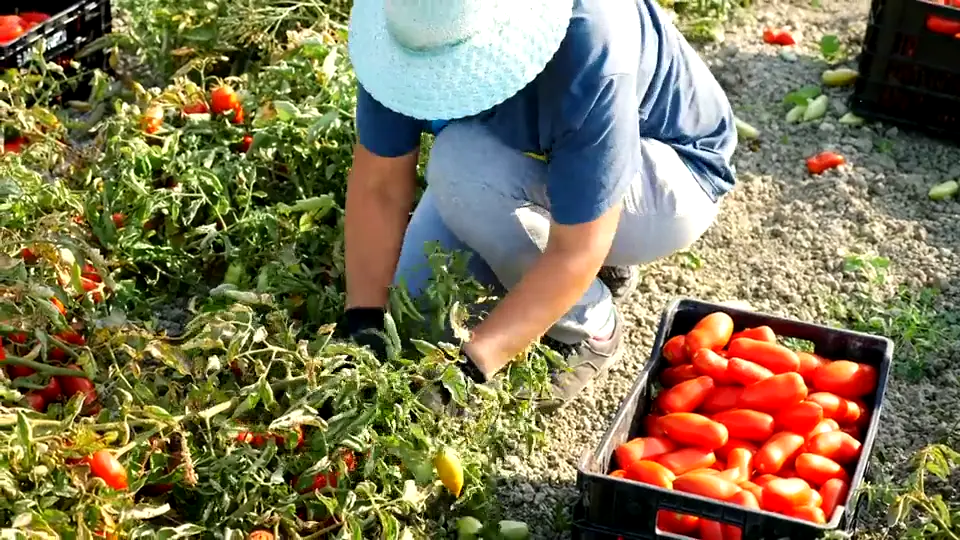
Fruit fly control in mango, guava and vegetables
Read the article: Fruit fly control in mango, guava and vegetablesFruit flies puncture the fruit, lay eggs inside it and cause rot and drop. A simple routine of traps, fresh lures and clean orchards keeps them…
-
Protecting coconut and date palms from red palm weevil and rhinoceros beetle
Read the article: Protecting coconut and date palms from red palm weevil and rhinoceros beetleBoth pests are hard to see until the damage is serious. Bucket traps with the right lure give coconut and palm growers an early and low-cost…
-
Pink bollworm in cotton: scouting with funnel traps
Read the article: Pink bollworm in cotton: scouting with funnel trapsPink bollworm moths show up in a funnel trap days before the larvae are inside the bolls. Here is how to use that head start.
-
Seven common mistakes when hanging pheromone traps
Read the article: Seven common mistakes when hanging pheromone trapsMost failed trapping programmes fail for simple reasons. Check this list before you blame the lure.
-
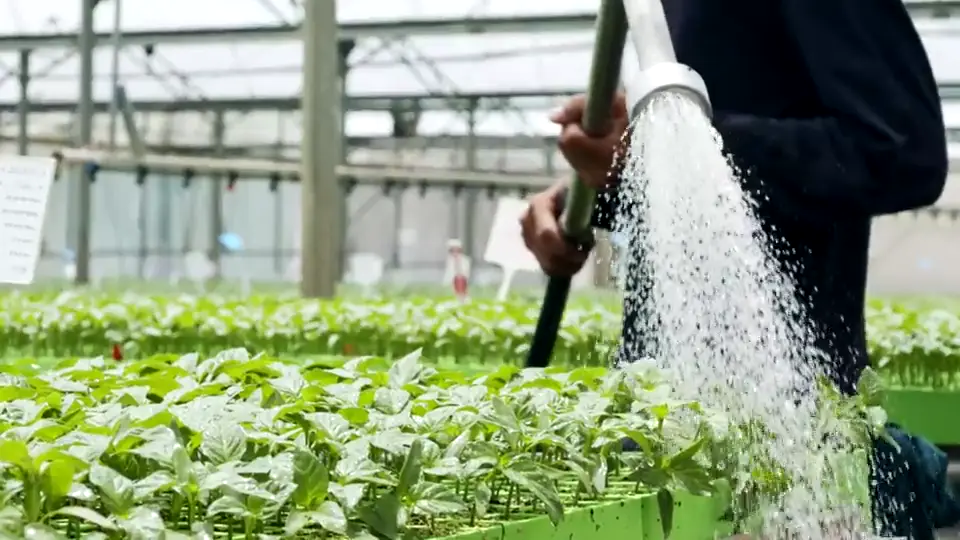
How many traps do you need per acre?
Read the article: How many traps do you need per acre?The right number depends on the crop, the pest and whether you want to monitor or mass trap. Here are the starting figures APS uses for…
-
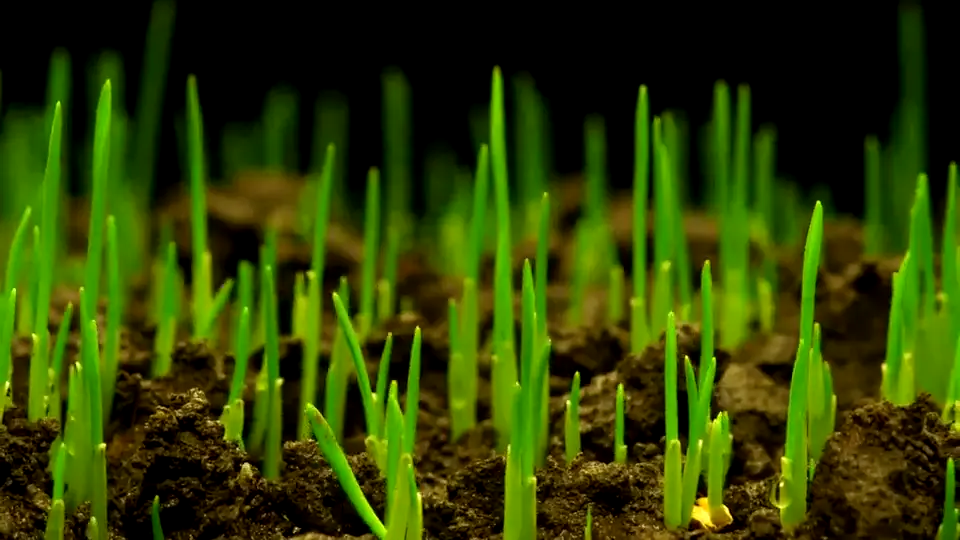
What is a pheromone trap and how does it work?
Read the article: What is a pheromone trap and how does it work?A pheromone trap pairs a species-specific scent lure with a simple trap body. Here is what happens in the field, and what a trap can and…
-
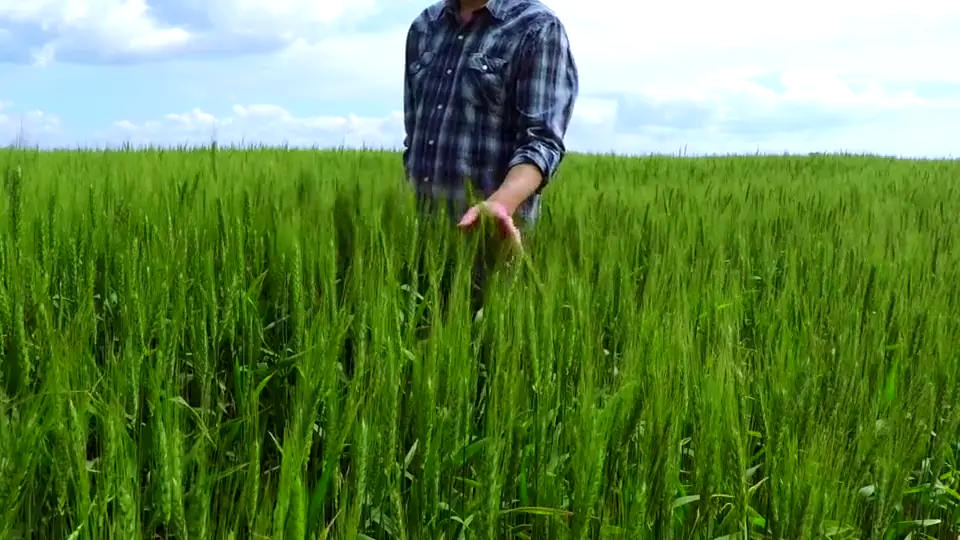
Why species-specific lures are safe for bees and soil life
Read the article: Why species-specific lures are safe for bees and soil lifePheromone lures attract one pest and nothing else, and the traps carry no insecticide. This is why they sit comfortably inside organic and export-oriented farming.